
Golden Gate Lawn Edging Services
Choose our expert lawn edging to give your yard a polished, professional look that stands out—our durable solutions keep your landscape neat, tidy, and easy to maintain all year round.
Get a Free QuoteOur Golden Gate Landscaping & Yard Care Services
When to Schedule Lawn Edging in Golden Gate, Florida – Seasonal Guide
In Golden Gate, Florida, the best times to schedule lawn edging are typically during the early spring and late fall. These periods offer moderate temperatures and reduced rainfall, which help promote clean, crisp edges without stressing your turf. Golden Gate’s subtropical climate means lawns grow vigorously for much of the year, but the window between the last frost and the onset of summer humidity is ideal for shaping borders and defining garden beds. Neighborhoods near Golden Gate Community Park and along Collier Boulevard often experience unique microclimates, with shaded lots and varying soil types that can influence the timing and frequency of edging services.
Local environmental factors such as sandy soils, high humidity, and the risk of summer droughts play a significant role in determining when to edge your lawn. For example, properties near the Golden Gate Canal may have higher moisture levels, while those closer to the Golden Gate Estates might contend with denser tree coverage and more acidic soils. It’s also important to consider municipal guidelines and seasonal restrictions, which you can review on the Town of Sudbury’s website for reference. By tailoring your lawn care schedule to these local conditions, you’ll ensure a healthier, more attractive landscape year-round.
Local Factors to Consider for Lawn Edging in Golden Gate
- Tree density and shade coverage
- Soil composition (sandy vs. loamy)
- Seasonal precipitation and drought risk
- Proximity to water features or canals
- Municipal restrictions and neighborhood guidelines
- Terrain and slope of your property
Benefits of Lawn Edging in Golden Gate
Enhanced Curb Appeal
Weed Growth Prevention
Defined Landscape Borders
Low Maintenance Solutions
Increased Property Value
Professional Installation Expertise
Golden Gate Lawn Edging Types

Steel Lawn Edging
Durable and sleek, steel edging provides a clean separation between lawn and garden beds.
-
Plastic Lawn Edging
Flexible and cost-effective, plastic edging is easy to install and maintain.
-
Concrete Curb Edging
Concrete curbs offer a permanent and sturdy border for lawns and pathways.
-
Brick Lawn Edging
Classic brick edging adds a timeless look and defines garden spaces effectively.
-
Natural Stone Edging
Natural stone creates a rustic and elegant boundary for landscaping projects.
-
Wooden Lawn Edging
Wood edging blends seamlessly with natural surroundings and is ideal for organic landscapes.
-
Rubber Lawn Edging
Eco-friendly rubber edging is flexible, safe, and made from recycled materials.
Our Lawn Edging Process
Site Evaluation
Marking Edges
Cutting Borders
Debris Removal
Final Inspection
Why Choose Golden Gate Landscape Services
-
Golden Gate Homeowners Trust Us
-
Expert Lawn Maintenance
-
Reliable Scheduling
-
Competitive Pricing
-
Professional Team
-
Satisfaction Guarantee
-
Personalized Service
Coordinating Lawn Edging Services with Collier County Departments in Golden Gate
Golden Gate is an unincorporated census-designated place governed by Collier County, which means all municipal coordination for lawn edging—including right-of-way maintenance, swale protection, and vegetative debris disposal—runs through county-level departments. Lawn edging along sidewalks, driveways, and roadway frontages in Golden Gate frequently intersects with county-maintained swales and drainage infrastructure. Residents and property managers should verify current yard waste collection rules before placing edging debris curbside, as clippings, soil, and sod strips must not be deposited into swales, canal banks, or stormwater inlets. Collier County's environmental landscaping division can clarify frontage landscaping standards that may affect edging depth or placement near public rights-of-way. For properties adjacent to the Golden Gate Canal system, edging operations should avoid destabilizing canal-bank vegetation or directing loose material toward drainage structures.
- Confirm yard waste bundling and curbside placement rules through Collier County before disposing of edging debris
- Avoid depositing soil, sod, or grass clippings into swales, canal edges, or storm-drain inlets
- Properties bordering county-maintained rights-of-way should coordinate edging limits with transportation management staff
Collier County Environmental Landscaping
2800 N Horseshoe Dr, Naples, FL 34104
Official Website: Collier County Environmental Landscaping
Collier County Transportation Management
2885 S Horseshoe Dr, Naples, FL 34104
Official Website: Collier County Transportation Management
How Golden Gate's Subtropical Climate and Sandy Soils Affect Lawn Edging
Golden Gate sits within USDA Hardiness Zone 10a, in the South Florida subtropical corridor where year-round warmth drives aggressive turf growth. The area's predominant sandy soils—characteristic of much of western Collier County—drain rapidly but shift easily when mechanically disturbed, making edge stability a recurring concern. According to the USDA Web Soil Survey, many Golden Gate lots feature fine sand profiles with limited organic content, which means edging cuts can lose definition quickly after heavy rain events. The wet season, typically running from late May through October, brings intense afternoon thunderstorms that accelerate turf encroachment into beds, walkways, and driveways. High humidity throughout summer also promotes rapid St. Augustinegrass stolon spread, requiring more frequent edging cycles than drier inland regions. The high water table common across Golden Gate's low-lying terrain can soften soil near swales and canal margins, complicating mechanical edging in those zones.
- Sandy soils lose edge definition rapidly after heavy rainfall, requiring re-edging more frequently during wet season
- St. Augustinegrass and bermudagrass stolons aggressively cross hardscape boundaries in Golden Gate's subtropical heat
- High water table conditions near swales and canals soften soil, increasing the risk of uneven or over-deep edging cuts
- Reflected heat from driveways and sidewalks accelerates turf growth along hardscape edges
Navigating Golden Gate's Stormwater and Code Compliance Rules for Lawn Edging
While lawn edging itself does not typically require a permit in Collier County, the activity intersects with several regulatory frameworks that Golden Gate residents should understand. Collier County enforces property maintenance standards through code compliance, and overgrown or unmaintained lawn edges along sidewalks, driveways, and roadway frontages may trigger enforcement action. Edging debris—including soil, grass clippings, and sod fragments—must be kept out of stormwater conveyance systems. Under the Florida DEP NPDES Stormwater Program, Collier County operates under a Municipal Separate Storm Sewer System (MS4) permit that requires pollutant discharge prevention, which extends to landscape maintenance activities. The Clean Water Act provides the federal framework supporting these local stormwater obligations. Any chemical edging products or herbicide-based edge-control treatments require proper licensing under FDACS pesticide applicator regulations.
- Edging debris must not enter swales, canal banks, curb inlets, or retention areas
- Chemical edge-control products require a valid FDACS pesticide applicator license for commercial use
- Overgrown turf encroaching onto sidewalks or public rights-of-way may result in code compliance notices
Collier County Pollution Control
2685 S Horseshoe Dr, Suite 220, Naples, FL 34104
Official Website: Collier County Pollution Control
Timing and Methods for Professional Lawn Edging in Golden Gate's Growing Season
In Golden Gate's year-round growing environment, lawn edging is not a seasonal task but a continuous maintenance requirement. The UF/IFAS Gardening Solutions lawn maintenance guidance emphasizes that warm-season turf species common to South Florida—particularly St. Augustinegrass and bermudagrass—produce lateral stolons that cross hardscape boundaries within days during peak summer growth. Professional edging in Golden Gate typically follows a biweekly or weekly cycle from April through October, with monthly intervals often sufficient during the cooler dry season from November through March.
- Mechanical blade edging along driveways, sidewalks, and curb lines produces the cleanest vertical cut and is the standard method for maintaining defined turf boundaries in sandy soils
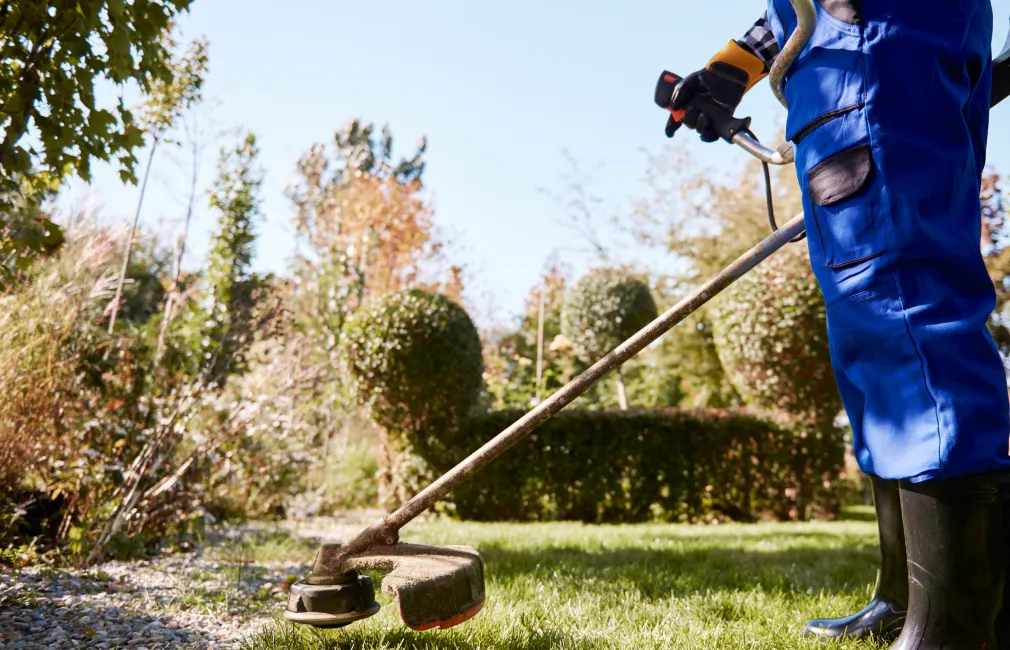
- String trimmer edging is commonly used for bed borders and irregular landscape contours but requires careful depth control to avoid scalping turf crowns
- Edging depth should generally remain at two to three inches to define the turf boundary without severing the root zone or destabilizing sandy substrate
- Schedule edging operations during morning hours to reduce heat stress on freshly cut turf edges and to comply with any applicable county noise guidelines
- Collect all edging debris—soil, sod strips, and clippings—before irrigation cycles to prevent material from washing into swales or storm-drain inlets
- Avoid edging immediately after heavy rainfall when saturated sandy soils are prone to tearing rather than cutting cleanly
What Neighborhoods Do We Serve Throughout Golden Gate, FL?
- Golden Gate Estates — Large, often unimproved lots with extensive ditch-and-swale drainage systems require careful edging along unpaved shoulders and canal-adjacent frontages where turf meets gravel or shell driveways.
- Golden Gate City — Compact residential lots with concrete driveways and sidewalks demand frequent mechanical edging to control aggressive St. Augustinegrass stolon encroachment along hardscape seams.
- Naples Manor — Older subdivision lots with mature landscaping and mixed soil profiles present edging challenges around established tree root zones and narrow side-yard walkways.
- Lely Resort — HOA-governed properties with manicured common areas and defined landscape standards require precise, consistent edging along bed borders, cart paths, and community sidewalks.
- Berkshire Lakes — Lake-adjacent lots with retention pond frontage need edging practices that prevent soil and debris from migrating into stormwater management areas.
- Briarwood — Established single-family homes with mature turf and irrigation systems benefit from regular edging cycles to maintain clean boundaries between St. Augustinegrass lawns and concrete walkways.