
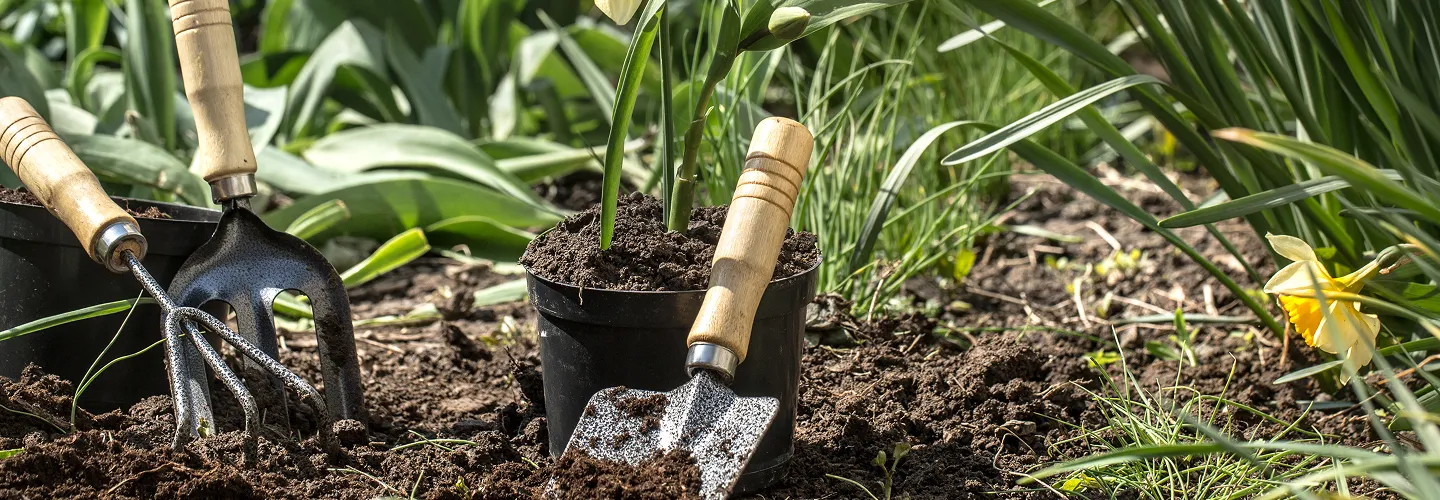
Golden Gate Flower Planting Services
Choose our Flower Planting services for expert care, vibrant designs, and lasting beauty that transforms your garden into a breathtaking oasis.
Get a Free QuoteOur Golden Gate Landscaping & Yard Care Services
When to Schedule Flower Planting in Golden Gate, Florida – Seasonal Guide
Flower planting in Golden Gate, Florida, is best scheduled with careful attention to the region’s subtropical climate and unique landscape features. The optimal planting windows typically fall between late fall and early spring, when temperatures are milder and rainfall is more predictable. This timing helps new blooms establish strong roots before the intense summer heat arrives. Neighborhoods near Golden Gate Community Park and the Golden Gate Canal benefit from slightly cooler microclimates and increased humidity, which can extend the planting season compared to more exposed areas.
Local environmental factors play a significant role in determining the best time for flower planting. For example, the risk of late winter frost is minimal in Golden Gate, but occasional cold snaps can still occur, especially in shaded areas like those near Sunshine Boulevard. Soil composition varies across the area, with some properties featuring sandy soils that drain quickly, while others closer to the canal may have richer, moisture-retentive earth. Homeowners should also consider municipal guidelines and water restrictions, which can impact irrigation schedules. For more information on local regulations, visit the official town website.
Local Factors to Consider for Flower Planting in Golden Gate
- Tree density and shade coverage, especially in neighborhoods like Green Boulevard
- Soil type and drainage, which can vary between canal-side and inland properties
- Seasonal precipitation patterns and drought risk
- Proximity to landmarks such as Golden Gate Community Park
- Municipal watering restrictions and planting guidelines
Benefits of Flower Planting in Golden Gate
Expert Landscaping Services
Customized Garden Designs
Seasonal Plant Selection
Enhanced Curb Appeal
Eco-Friendly Planting Solutions
Reliable Maintenance Support
Golden Gate Flower Planting Types

Perennial Flower Beds
-
Annual Flower Displays
-
Native Plant Gardens
-
Pollinator-Friendly Plantings
-
Seasonal Bulb Arrangements
-
Shade Garden Installations
-
Drought-Tolerant Landscapes
Our Flower Planting Process
Site Evaluation
Soil Preparation
Flower Selection
Planting
Watering and Mulching
Why Choose Golden Gate Landscape Services
-
Golden Gate Homeowners Trust Us
-
Expert Lawn Maintenance
-
Reliable Scheduling
-
Competitive Pricing
-
Professional Team
-
Satisfaction Guarantee
-
Personalized Service
Coordinating Flower Planting Projects with Collier County Departments in Golden Gate
Golden Gate is an unincorporated census-designated place governed by Collier County, so all landscaping oversight—including flower planting on residential and commercial properties—falls under county-level departments. Property owners and managers planning flower installations that involve changes to landscaped frontage, right-of-way areas, or sites adjacent to canals and swales should coordinate with Collier County's environmental landscaping division before beginning work. The county's land development code includes provisions for native vegetation preservation and landscape standards that may affect plant selection and placement, particularly on parcels near drainage infrastructure or preserve buffers. Residents undertaking flower planting near county-maintained swales or canal easements should verify setback and planting restrictions through the county's planning and zoning resources to avoid encroachment issues.
- Confirm whether flower bed installations along road frontage require review through Collier County Planning and Zoning Resources
- Verify that selected flower species comply with environmental landscaping standards, especially near preserve or wetland-adjacent parcels
- Coordinate with Collier County Parks and Recreation when planting in areas adjacent to public greenways or park corridors
Collier County Environmental Landscaping
2800 N. Horseshoe Drive, Naples, FL 34104
Official Website: Collier County Environmental Landscaping
How Golden Gate's Subtropical Climate and Soils Shape Flower Planting Success
Golden Gate sits within USDA Hardiness Zone 10a, placing it firmly in South Florida's tropical-subtropical corridor. This classification supports a wide range of warm-season and tropical flowering species but demands careful attention to heat, humidity, and moisture management. The area's soils are predominantly sandy and poorly drained, with a seasonally high water table that can saturate root zones during the wet season from roughly June through October. These conditions create specific challenges for flower planting that differ substantially from inland or northern Florida sites.
- Summer heat intensity: Afternoon temperatures regularly exceed 90°F from May through September, stressing shallow-rooted annuals and requiring afternoon shade consideration or heat-tolerant species selection
- High humidity and fungal pressure: Persistent humidity promotes foliar diseases such as powdery mildew and botrytis in susceptible flower varieties, making air circulation and plant spacing critical
- Sandy soil nutrient leaching: Golden Gate's sandy soils drain quickly in dry periods but lose applied nutrients rapidly, requiring slow-release fertilizer strategies to avoid runoff into the area's extensive canal network
- Wet-season saturation: The high water table and flat terrain mean flower beds without raised profiles or amended drainage layers may experience root rot during peak rainfall months
Consulting the USDA Plant Hardiness Zone Map helps confirm species suitability, while the USDA Web Soil Survey provides parcel-level soil data relevant to bed preparation decisions.
Navigating Golden Gate's Environmental and Stormwater Regulations for Flower Planting
Flower planting in Golden Gate must account for Collier County's stormwater management framework and environmental compliance standards. Because the community is laced with drainage canals and roadside swales that feed into the broader South Florida water management system, any landscaping activity that introduces soil amendments, fertilizers, or mulch near these features carries regulatory implications under the county's pollution control guidelines and the Florida DEP NPDES Stormwater Program.
- Fertilizer applications associated with flower bed establishment should follow Collier County's fertilizer ordinance provisions; verify current seasonal restrictions and blackout periods through the county before applying nitrogen or phosphorus products near waterways
- Soil amendments and mulch must be stabilized to prevent migration into swales, canal banks, or storm-drain inlets during heavy rain events
- Any pesticide or herbicide use in flower beds requires compliance with Florida Statutes Chapter 487, and commercial applicators must hold valid FDACS pesticide applicator licenses
- Properties adjacent to preserve areas or wetland buffers may face additional planting restrictions; confirm requirements through Collier County Development Services
Collier County Pollution Control
2800 N. Horseshoe Drive, Naples, FL 34104
Official Website: Collier County Pollution Control
Timing Flower Planting Around Golden Gate's Wet Season and Heat Cycles
Professional flower planting in Golden Gate follows seasonal windows dictated by the area's pronounced wet and dry seasons. The optimal primary planting window for most warm-season annuals and perennials falls between October and early December, when rainfall intensity decreases, temperatures moderate slightly, and new root systems can establish before the dry season's irrigation demands peak. A secondary planting window in late February through April allows establishment before wet-season saturation begins.
- Species selection by exposure: Full-sun beds in Golden Gate perform well with heat-tolerant species such as pentas, lantana, plumbago, and firebush; shaded beds benefit from impatiens, crossandra, and caladiums during warm months
- Soil preparation standards: Amend sandy native soil with composted organic matter to improve moisture retention and nutrient-holding capacity; target a bed depth of at least eight to ten inches of prepared soil for most flowering installations
- Irrigation coordination: Install drip emitters or micro-spray heads in flower beds rather than relying on overhead turf irrigation, which promotes foliar disease; follow EPA WaterSense principles for efficient outdoor water use
- Mulch application: Apply two to three inches of organic mulch around plantings to moderate soil temperature, suppress weeds, and reduce moisture loss, keeping mulch pulled back from plant stems to prevent crown rot
Collier County Parks and Recreation
Official Website: Collier County Parks and Recreation
What Neighborhoods Do We Serve Throughout Golden Gate, FL?
- Golden Gate Estates: Large residential lots with sandy soils and canal-bordered parcels require careful flower bed placement away from drainage easements and benefit from drought-tolerant native species during the dry season
- Golden Gate City: Compact urban lots with limited yard space make raised flower beds and container plantings practical options, with attention to reflected heat from adjacent driveways and sidewalks
- Collier Boulevard Corridor: Properties along this commercial and residential corridor face higher heat exposure and traffic-related dust, favoring hardy flowering shrubs such as ixora and hibiscus
- Santa Barbara Boulevard Area: Residential neighborhoods near this arterial road often feature HOA-governed landscaping standards that may dictate approved flower species, bed dimensions, and mulch types
- Green Boulevard Vicinity: Homes in this area sit near canal infrastructure and benefit from flower planting designs that incorporate swale-safe setbacks and erosion-resistant bed edging
- Tropicana Boulevard Neighborhood: Established residential lots with mature tree canopy require shade-adapted flower selections and careful root-zone management when preparing new planting beds