
Golden Gate Hedging Services
Choose Golden Gate for precision-crafted hedges that elevate your property's beauty, privacy, and value—delivered by experienced professionals who care about your landscape as much as you do.
Get a Free QuoteOur Golden Gate Landscaping & Yard Care Services
When to Schedule Hedging in Golden Gate, Florida – Seasonal Guide
In Golden Gate, Florida, the best times to schedule hedging are typically late winter through early spring and again in late summer. These periods align with the region’s subtropical climate, allowing plants to recover quickly before the intense summer heat or the occasional winter chill. Golden Gate’s proximity to the Gulf means humidity levels remain high for much of the year, but the risk of frost is minimal—usually limited to brief cold snaps in January or February. Neighborhoods like Golden Gate City and areas near Collier Boulevard often experience microclimates due to varying shade coverage and soil drainage, so it’s important to consider your property’s unique conditions.
Local environmental factors such as sandy soils, seasonal rainfall, and the potential for drought during late spring can all impact the timing and frequency of hedging. For example, properties near the Golden Gate Community Park may benefit from slightly cooler microclimates, while those closer to the canal system might face higher humidity and faster plant growth. Always check for any municipal restrictions or guidelines, which can be found on the official town website, before scheduling major landscape work.
Local Factors to Consider for Hedging in Golden Gate
- Tree and shrub density on your property
- Soil type (sandy vs. loamy)
- Proximity to water features or canals
- Seasonal precipitation and drought risk
- Shade coverage from mature trees
- Neighborhood-specific microclimates
- Municipal restrictions or HOA guidelines
Benefits of Hedging in Golden Gate
Enhanced Property Privacy
Improved Curb Appeal
Natural Noise Reduction
Increased Property Value
Low Maintenance Solutions
Eco-Friendly Landscaping
Golden Gate Hedging Types

Boxwood Hedges
-
Privet Hedges
-
Laurel Hedges
-
Yew Hedges
-
Photinia Hedges
-
Holly Hedges
-
Escallonia Hedges
Our Hedging Process
Consultation
Site Preparation
Precision Trimming
Cleanup
Why Choose Golden Gate Landscape Services
-
Golden Gate Homeowners Trust Us
-
Expert Lawn Maintenance
-
Reliable Scheduling
-
Competitive Pricing
-
Professional Team
-
Satisfaction Guarantee
-
Personalized Service
Coordinating Hedging Services with Collier County Departments in Golden Gate
Golden Gate is an unincorporated census-designated place governed by Collier County, so all landscaping oversight—including hedge maintenance along property frontages, sidewalks, and rights-of-way—falls under county-level departments. Property owners and managers should coordinate with Collier County's environmental landscaping division before undertaking large-scale hedge removal or replacement, particularly when hedges serve as required landscape buffers between land-use zones. Collier County's Land Development Code includes provisions for vegetative screening, and hedges installed to satisfy buffer requirements must be maintained at specified densities and heights. Residents should verify whether their hedges were planted as part of an approved site plan before altering them significantly.
- Confirm whether hedges along property boundaries function as required landscape buffers under the county's zoning code
- Coordinate vegetative debris disposal through Collier County's curbside collection program; hedge clippings must be bundled or containerized per current solid waste guidelines
- Review right-of-way encroachment rules if hedges extend beyond the property line toward sidewalks or roadway shoulders
Collier County Environmental Landscaping
Official Website: Collier County Environmental Landscaping
Collier County Zoning Services
Official Website: Collier County Zoning Services
How Golden Gate's Subtropical Climate and Soils Influence Hedge Growth
Golden Gate sits within USDA Hardiness Zone 10a, in the South Florida tropical-subtropical corridor where year-round warmth drives nearly continuous hedge growth. The area's sandy, poorly drained soils—common across Collier County's inland subdivisions—drain quickly at the surface but often sit above a seasonally high water table, creating alternating cycles of drought stress and root saturation. Annual rainfall averaging roughly 54 inches concentrates heavily between June and October, accelerating shoot elongation in species such as Clusia, Podocarpus, Cocoplum, Green Island Ficus, and Viburnum. These conditions produce several hedging-specific challenges:
- Rapid wet-season growth can push hedges out of shape within weeks, requiring more frequent trimming cycles than in drier or cooler Florida regions
- High humidity promotes fungal issues such as sooty mold and leaf spot, particularly in dense, unpruned interior canopies with poor air circulation
- Sandy soils leach nutrients quickly, meaning hedges may show chlorosis or thinning if fertilization is not timed carefully around irrigation and rainfall
- Reflected heat from driveways and concrete block walls intensifies stress on hedges planted along property perimeters in Golden Gate's grid-pattern subdivisions
Residents can consult the USDA Plant Hardiness Zone Map and the USDA Web Soil Survey for site-specific soil and climate data.
Navigating Golden Gate's Landscaping Regulations and Compliance for Hedging
Collier County enforces landscape and buffer standards through its Land Development Code, which may require hedges to meet minimum height and opacity thresholds when they serve as visual screens between residential and commercial parcels. Property owners should not reduce hedge height or density below approved buffer standards without consulting Collier County Development Services. Key regulatory considerations include:
- Hedges along sidewalks, driveways, and intersections must not obstruct sight triangles; the county may issue code violations for overgrown hedges that impair pedestrian or vehicular visibility
- Any pesticide application to hedges—including fungicides or insecticides—must comply with Florida Statutes Chapter 487, which requires commercial applicators to hold valid FDACS certification
- Hedge clippings and vegetative debris must not be deposited into swales, canal banks, or stormwater conveyances; the Florida DEP NPDES Stormwater Program holds municipalities and counties accountable for preventing organic debris from entering the stormwater system
- Verify current requirements with Collier County if hedges are located within utility easements or drainage maintenance easements, as the county retains access rights that may restrict planting or hedge width
Collier County Pollution Control
Official Website: Collier County Pollution Control
Timing and Methods for Professional Hedging in Golden Gate's Growing Seasons
Professional hedging in Golden Gate must account for the area's extended growing season, which effectively runs year-round with peak vigor from late April through early October. Shaping cycles, tool selection, and debris management all require adaptation to South Florida's heat, humidity, and storm patterns.
- Shaping frequency: Most subtropical hedge species in Golden Gate require trimming every four to eight weeks during the wet season and every six to ten weeks during the cooler dry months (November through April); exact intervals depend on species growth rate and desired formality
- Timing around storms: Schedule major hedge shaping before the peak of hurricane season (August through October) to reduce wind-catch surface area and minimize storm debris; avoid heavy pruning immediately after tropical weather events when plants are stressed
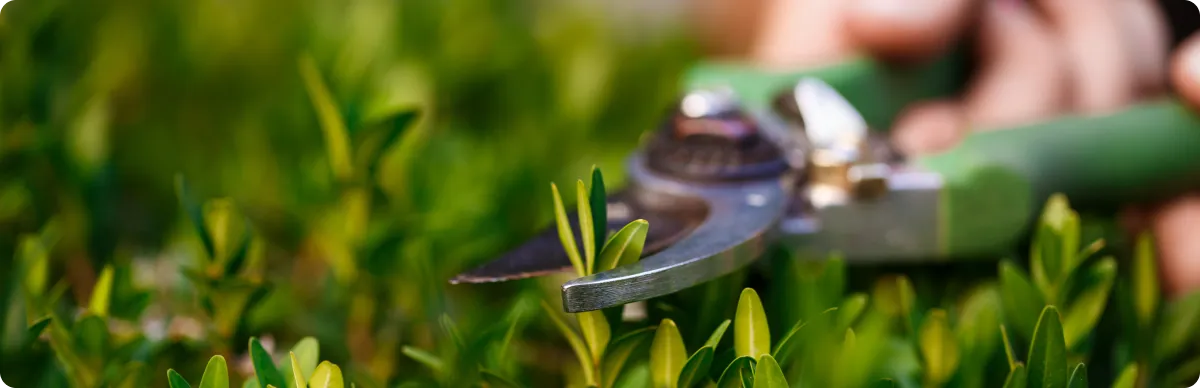
- Cutting technique: Use sharp, sanitized blades to produce clean cuts that heal quickly in humid conditions; ragged cuts from dull equipment invite fungal colonization, which spreads rapidly in Golden Gate's moisture-laden air
- Interior thinning: Periodically thin dense hedge interiors to improve air circulation, reduce fungal pressure, and allow light penetration that maintains foliage density from the base upward
- Irrigation coordination: Water hedges deeply one to two days before trimming to reduce heat stress during cutting; avoid trimming during midday heat when transpiration loss is highest
- Debris management: Collect all clippings from sidewalks, swales, and driveways immediately after trimming to prevent organic material from washing into stormwater conveyances
What Neighborhoods Do We Serve Throughout Golden Gate, FL?
- Golden Gate City: The original grid-pattern subdivision features smaller lots with concrete block walls and chain-link fencing where hedges serve as primary privacy screens, requiring frequent shaping to maintain clearance along narrow setbacks and sidewalks.
- Golden Gate Estates: Large, semi-rural parcels with canal-bordered lots and mature native vegetation often require hedging along long driveway frontages and property boundaries adjacent to drainage easements.
- Golden Gate Unit 1 through Unit 8: These residential sections contain established hedges of varying species and age, with many properties relying on Podocarpus or Clusia hedges planted during original development that now require rejuvenation pruning.
- Sunshine Boulevard Corridor: Properties along this central corridor face higher visibility standards and may have hedges subject to county right-of-way clearance requirements near intersections and commercial transitions.
- Collier Boulevard Frontage Areas: Parcels adjacent to Collier Boulevard contend with road dust, reflected heat, and noise-buffer expectations that influence hedge species selection and maintenance intensity.